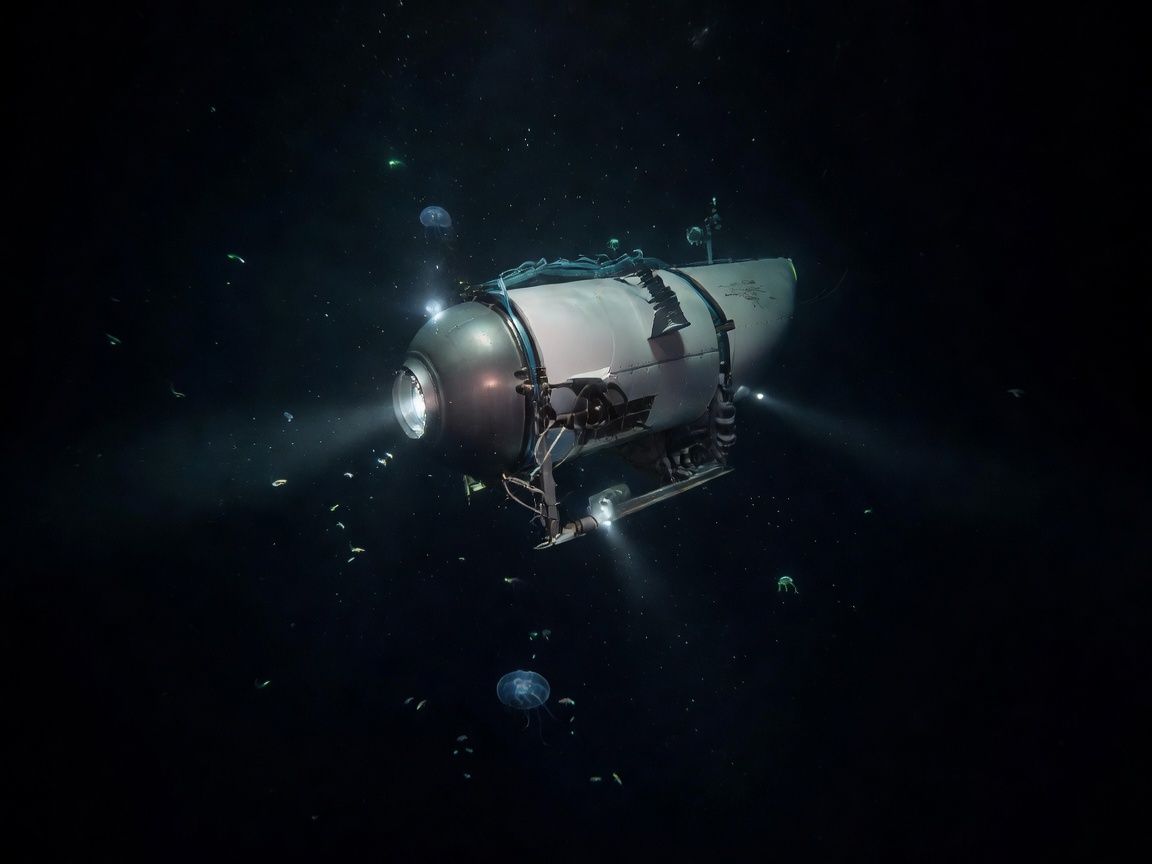
 ROV & HOV Systems
Hadal Class Submersibles & Titanium Spheres
Engineered with 90mm thick Grade 5 titanium hulls, these manned and autonomous submersibles withstand 1,100 bar pressure down to 11,000 meters depth.
State-of-the-art submersibles, multi-beam sonar arrays, and abyssal sensory payloads.
ROV & HOV Systems
Engineered with 90mm thick Grade 5 titanium hulls, these manned and autonomous submersibles withstand 1,100 bar pressure down to 11,000 meters depth.
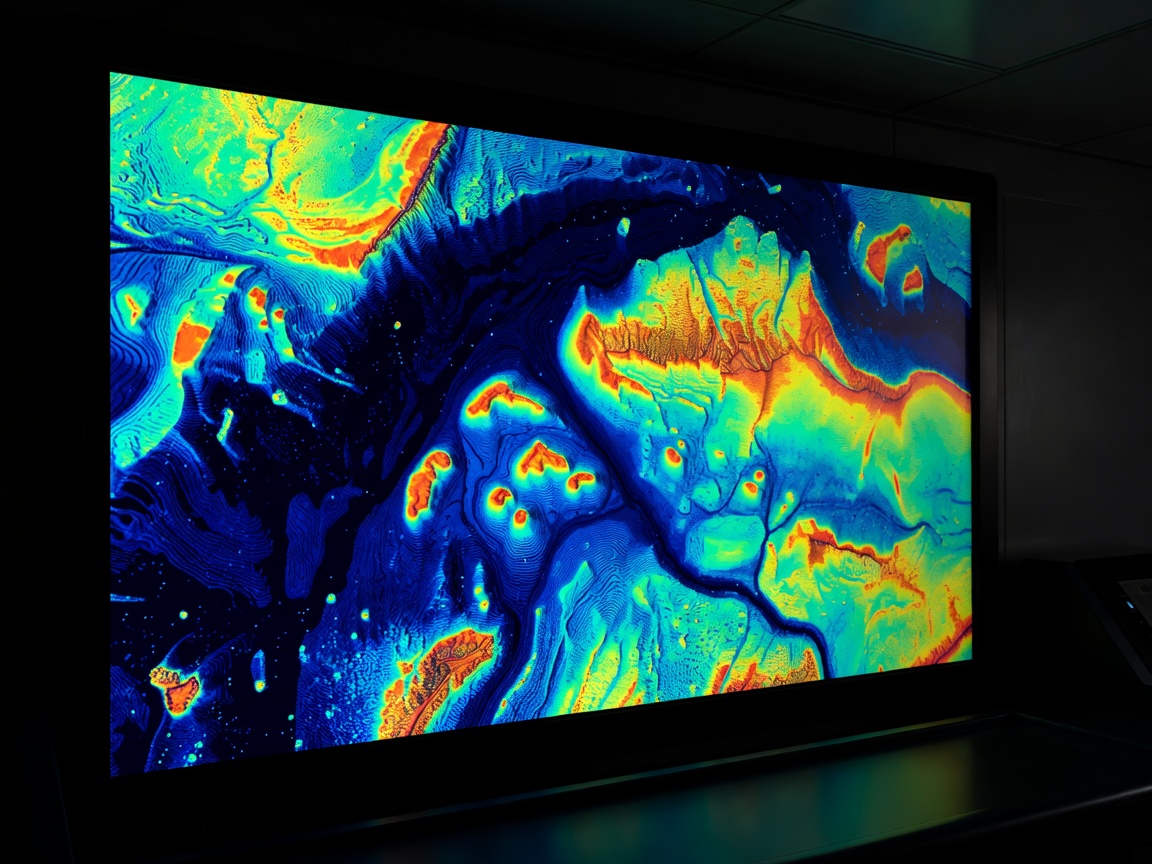 Bathymetry Systems
Employs acoustic phase arrays operating between 12 kHz and 100 kHz to render 3D seafloor topographies with sub-meter spatial resolution.
 Hydroacoustics
Autonomous seafloor landers equipped with piezoelectric transducers that continuously log micro-seismic quakes, whale calls, and hydrothermal venting sounds.
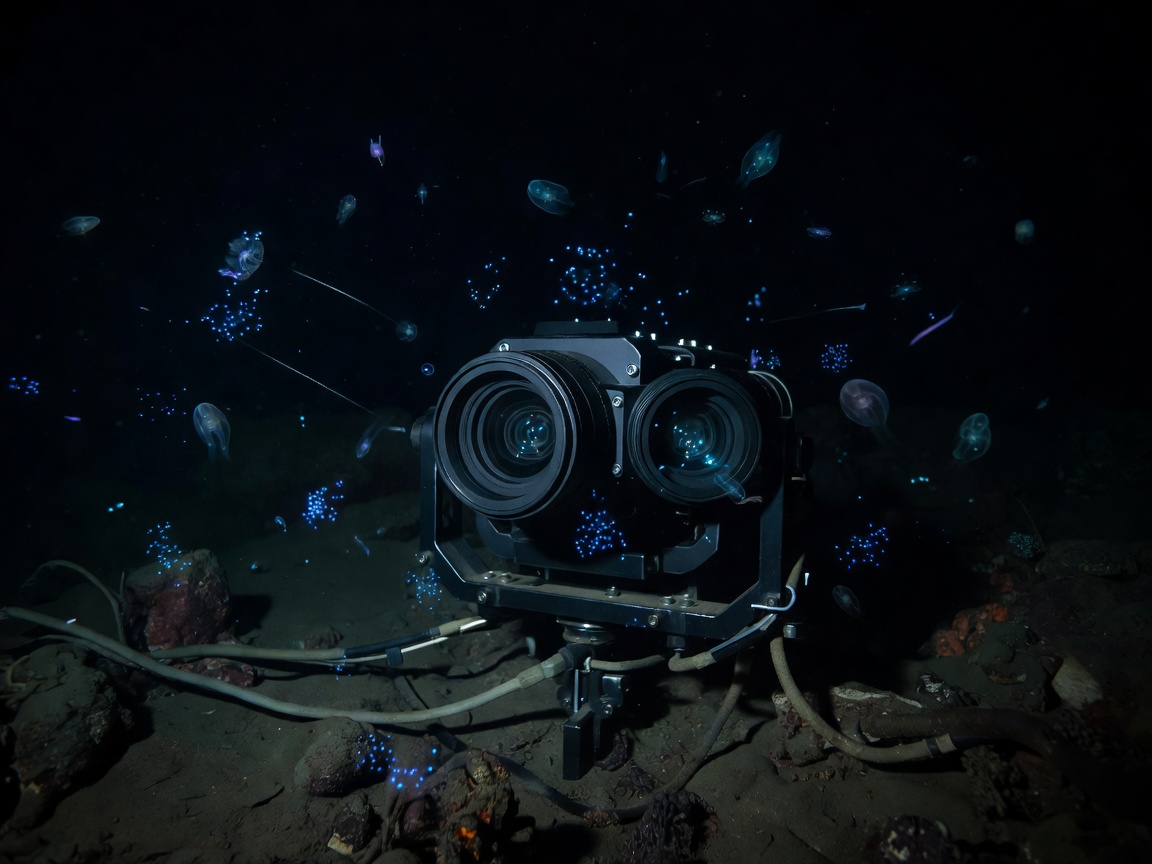 Optical Payload
Utilizes cooled EMCCD sensors with ISO sensitivity exceeding 400,000 to record delicate living light from abyssal organisms without artificial spotlight disturbance.
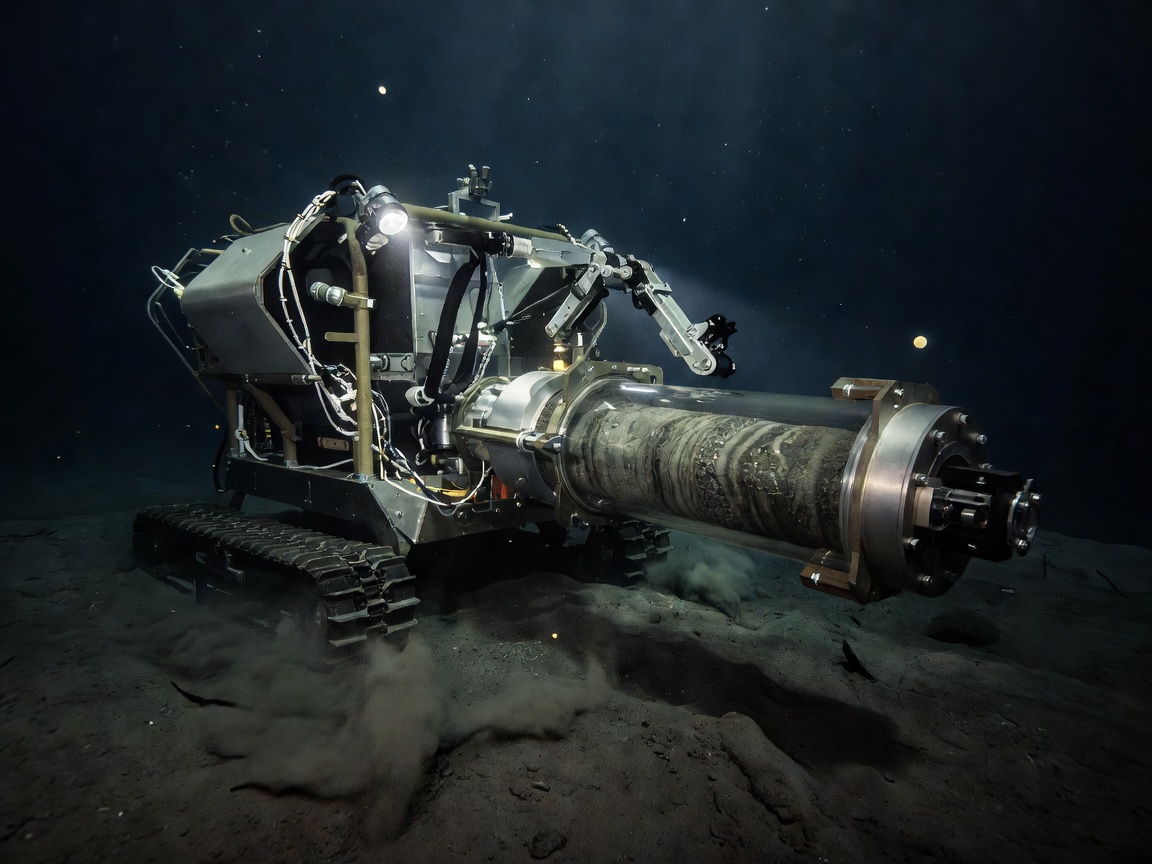 Sample Preservation
Preserves pristine abyssal sediment, pore fluids, and extremophile microbes at native hydrostatic pressure during ascent to surface research vessels.
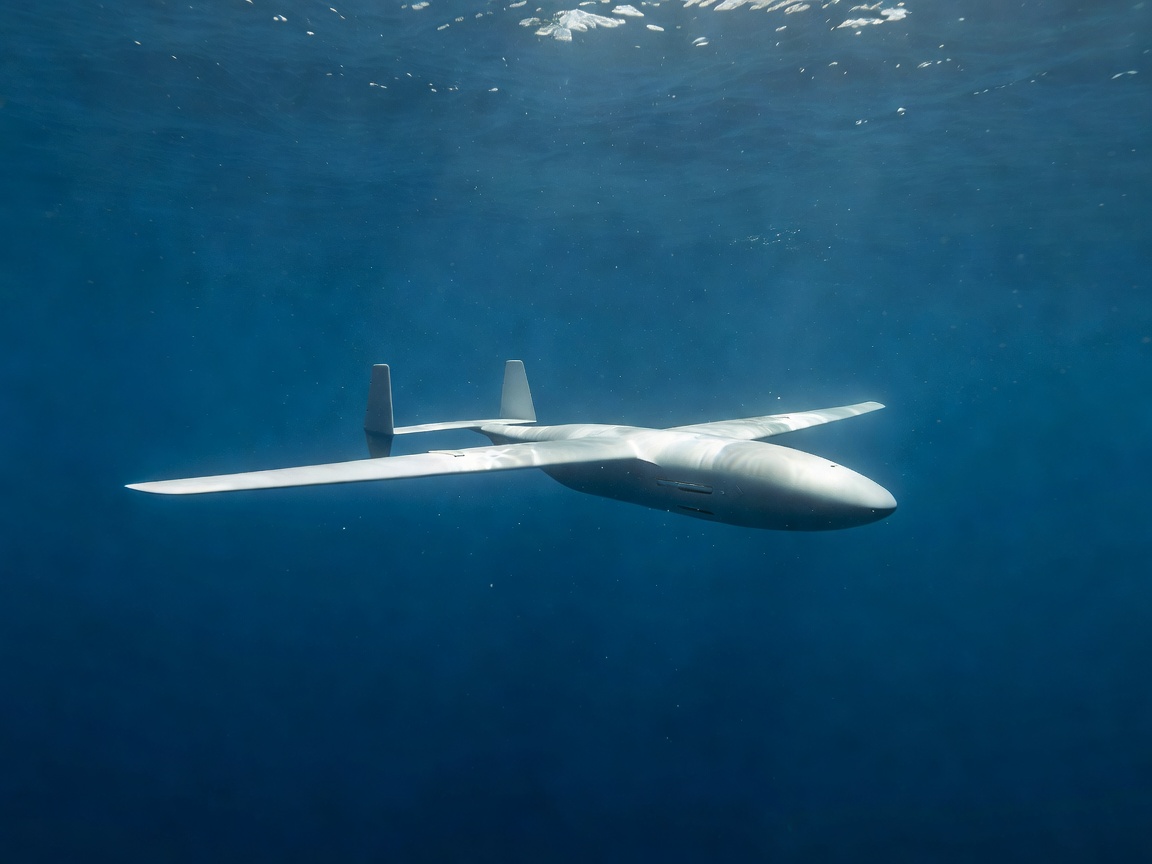 Autonomous Drones
Consumes minimal electrical power by shifting internal hydraulic fluid bladders, gliding autonomously across thousands of miles to sample oceanic physical parameters.