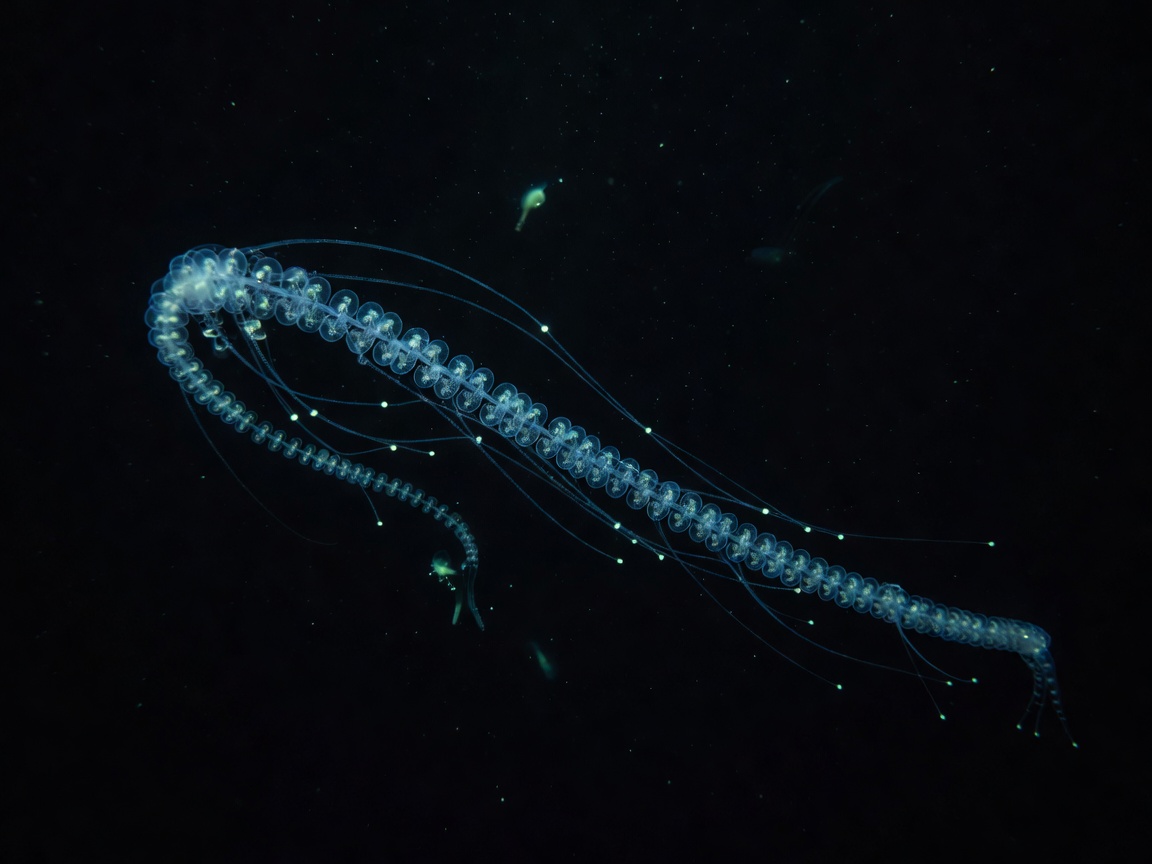
 Depth: 2,500m
Giant Siphonophore (Praya dubia)
A colonial organism extending up to 45 meters in length—making it one of the longest animals on Earth—utilizing electric blue bioluminescence to attract prey.
A comprehensive scientific registry of living organisms inhabiting bathypelagic depths below 1,000 meters.
Depth: 2,500m
A colonial organism extending up to 45 meters in length—making it one of the longest animals on Earth—utilizing electric blue bioluminescence to attract prey.
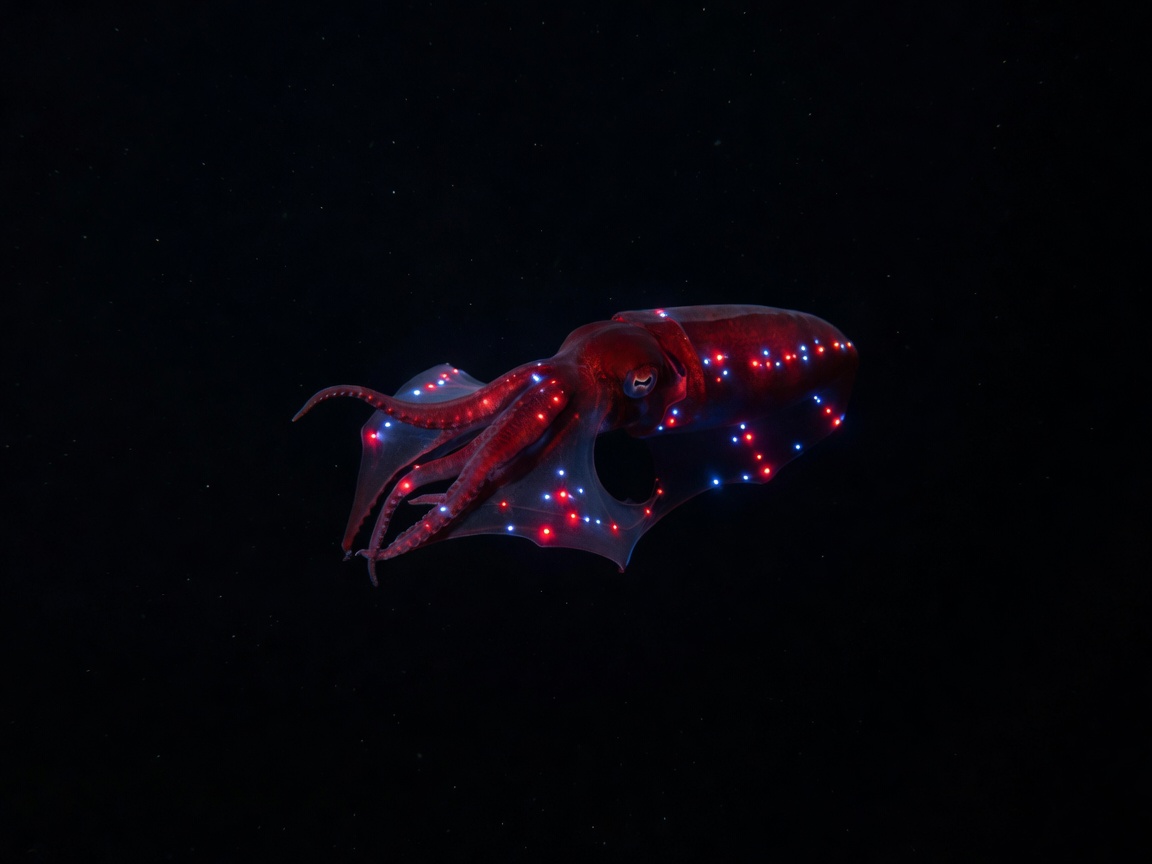 Depth: 1,200m
Thriving in extreme oxygen minimum zones, this ancient cephalopod relict uses bioluminescent arm tips and velvet-like webbed tentacles to navigate total darkness.
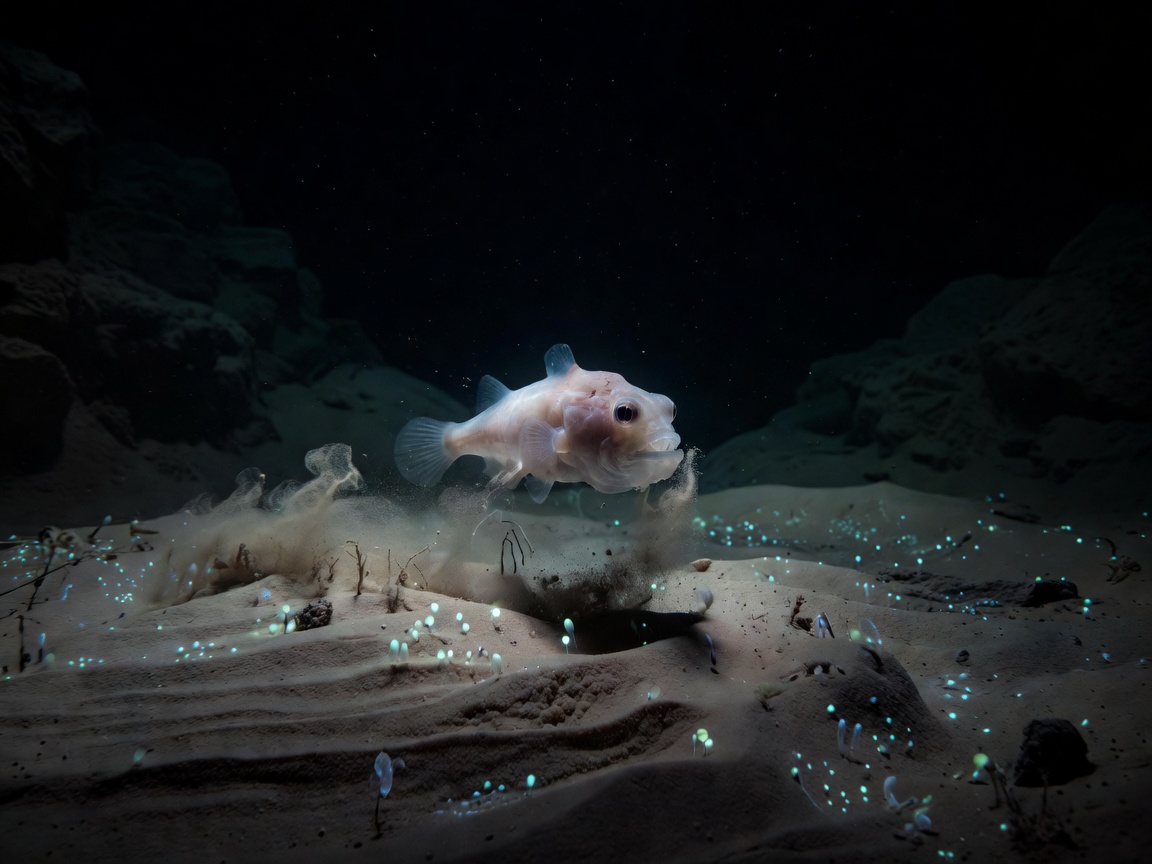 Depth: 8,178m
Recorded at extreme depth in Challenger Deep, its uncalcified skull, flexible tissue, and high TMAO osmolyte concentrations endure crushing pressures over 1,000 bar.
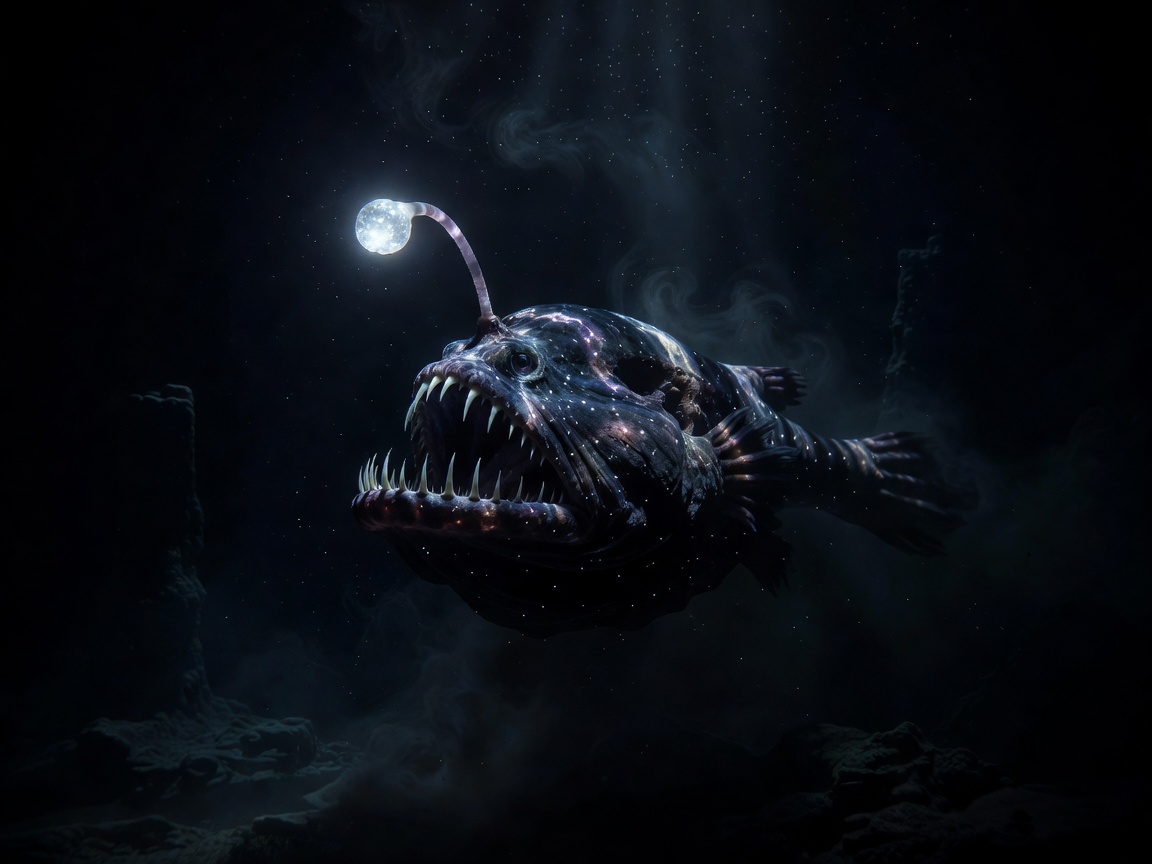 Depth: 2,000m
Features a modified dorsal spine containing symbiotic Photobacterium that glows in the dark, drawing inquisitive deep-sea prey straight into massive translucent fangs.
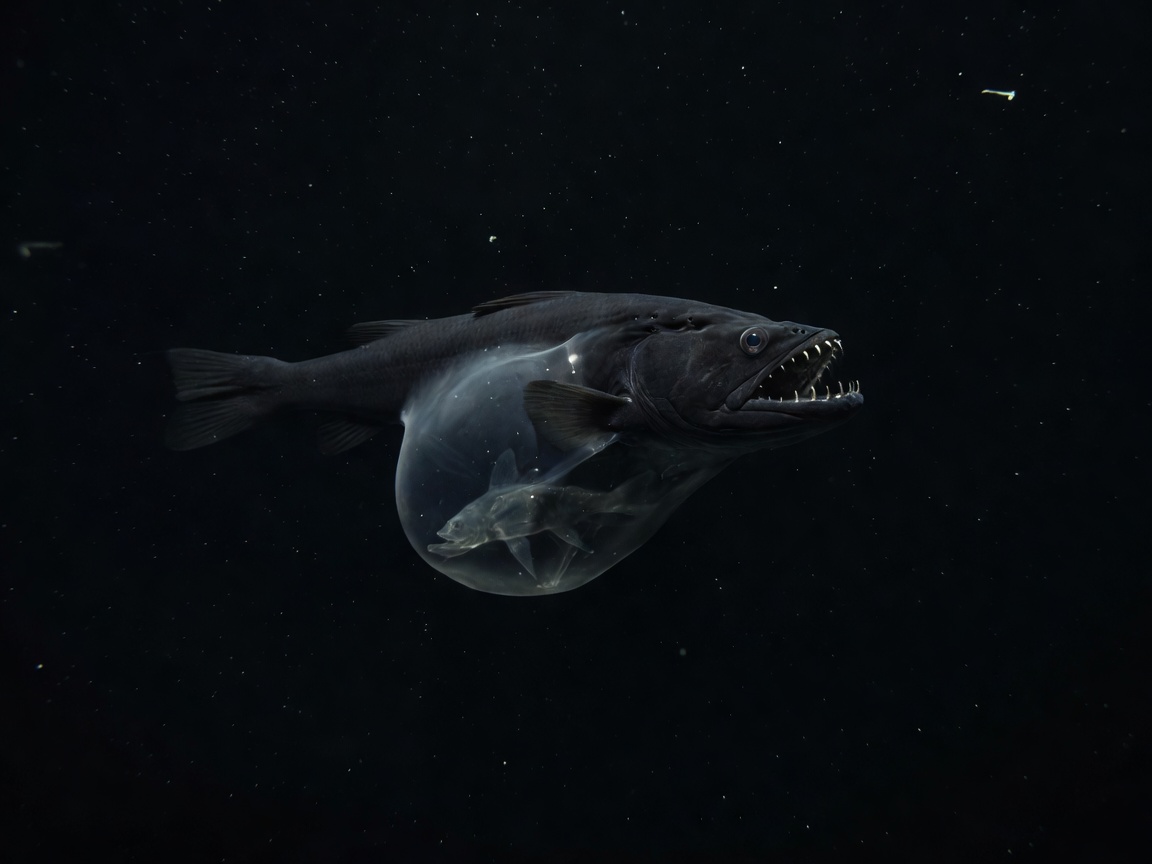 Depth: 3,000m
Famous for its exceptionally elastic stomach, allowing it to ingest fish twice its length and ten times its mass in the nutrient-scarce bathypelagic zone.
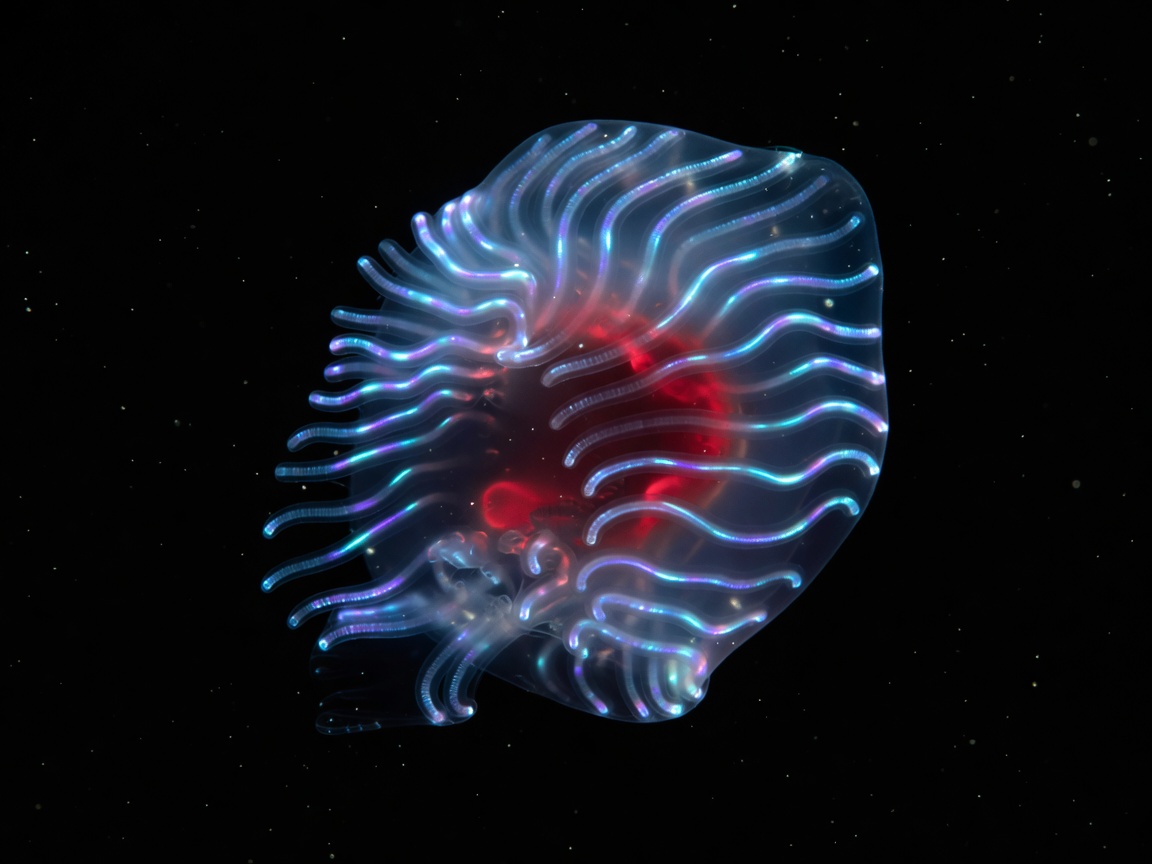 Depth: 4,000m
Its blood-red digestive tract masks the visible light from consumed bioluminescent prey, preventing external predators from spotting its glowing meal.