 Acoustic Research
Decoding Mariana Trench Anomaly Signals
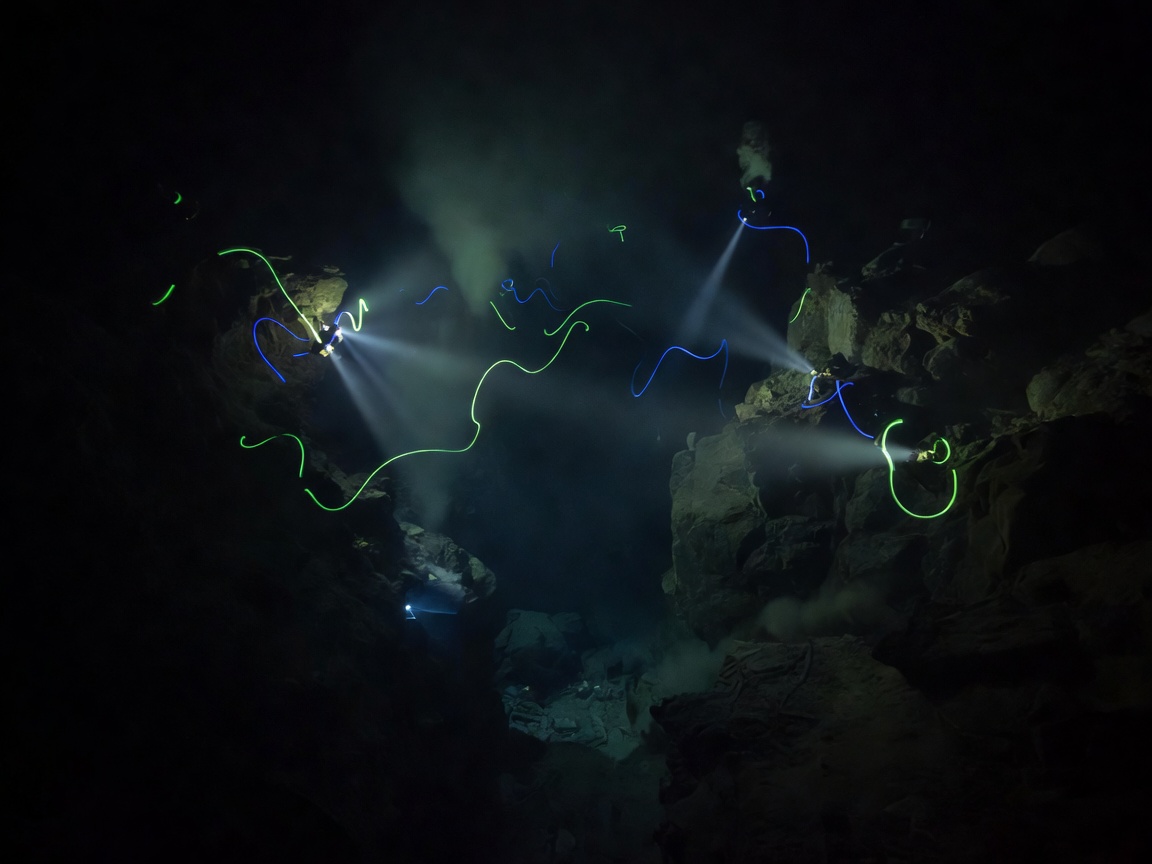
Hydroacoustic arrays deployed in Challenger Deep recorded ultra-low frequency sweep signals between 10 Hz and 40 Hz, illuminating cryoseismic icequakes and deep-sea biophony.
Scientific papers, field dispatches, acoustic findings, and tectonic discoveries from the deep.
Acoustic Research
Hydroacoustic arrays deployed in Challenger Deep recorded ultra-low frequency sweep signals between 10 Hz and 40 Hz, illuminating cryoseismic icequakes and deep-sea biophony.
 Geochemistry & Astrobiology
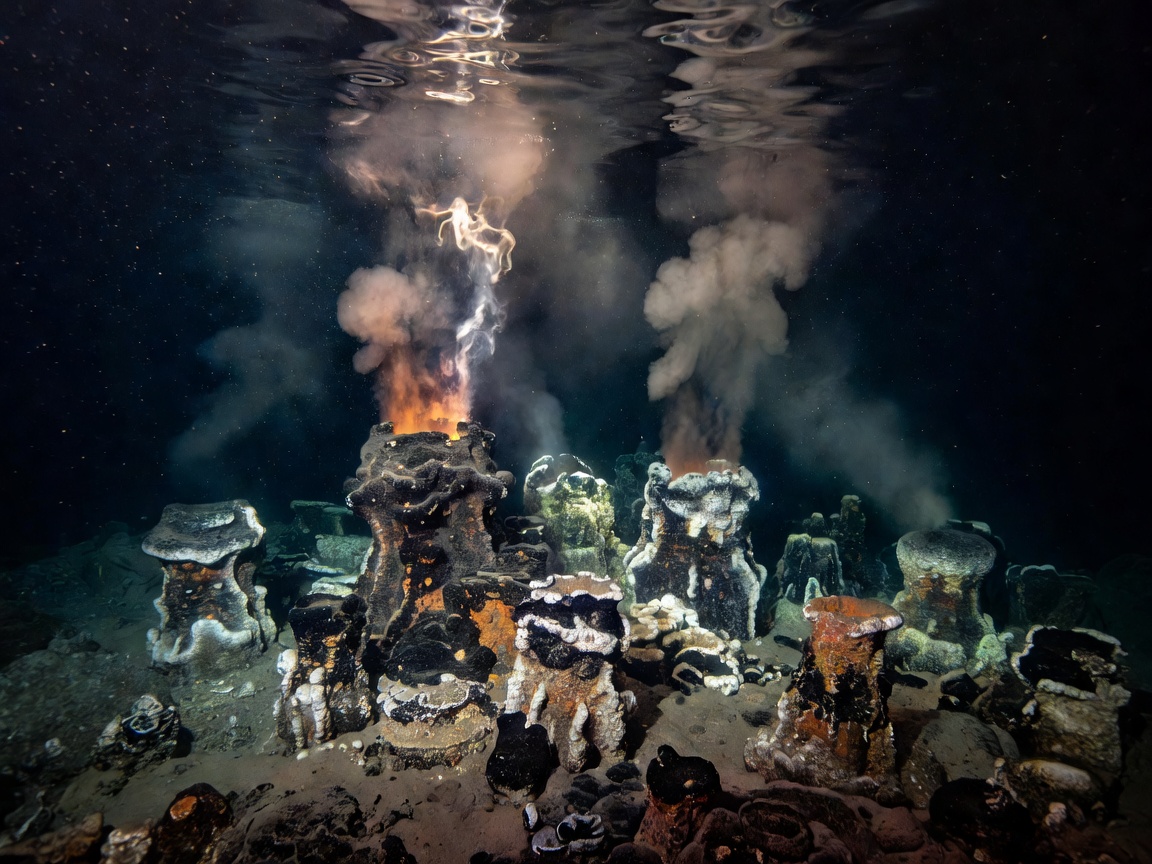
Abiotic chemical reactions between seawater and mantle olivine produce high concentrations of hydrogen and methane gas, driving 60-meter calcite chimneys without solar energy.
 Marine Geophysics
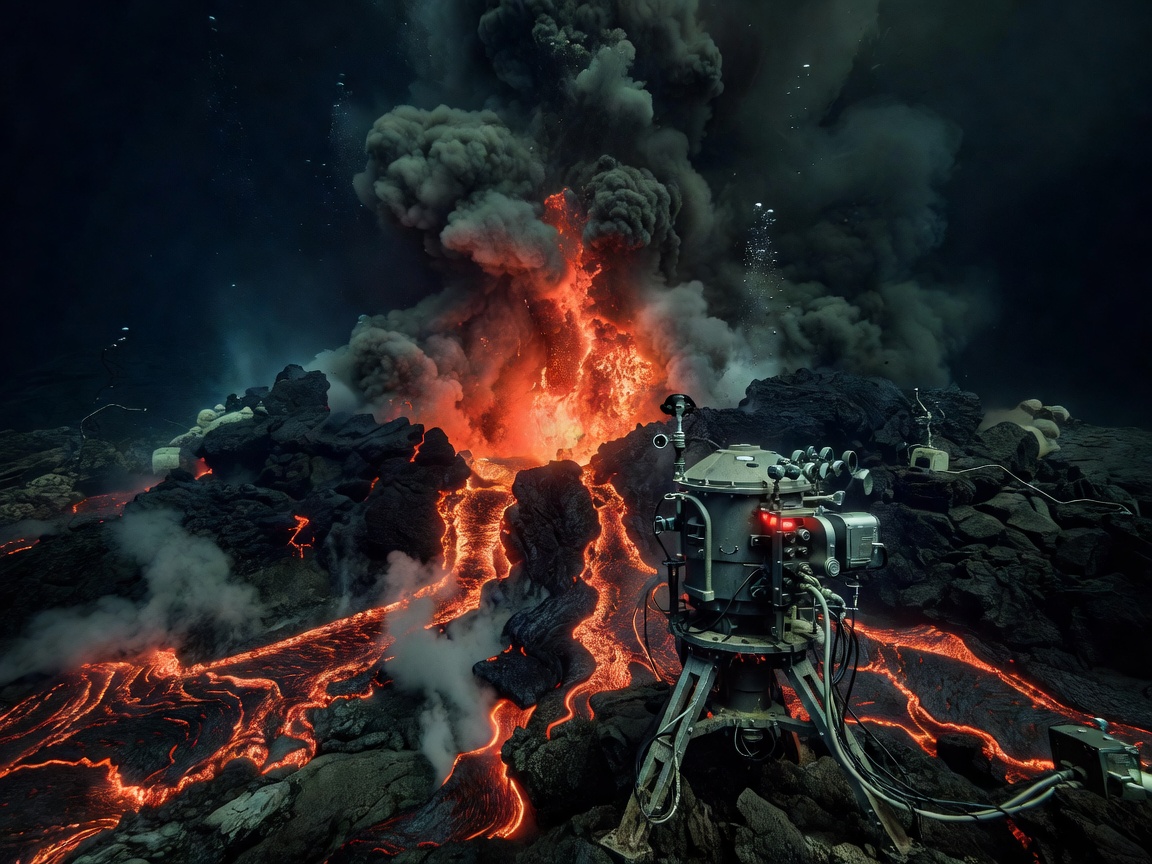
Real-time bathymetric mapping and ocean-bottom seismometers capture slow-spreading plate rifting, pillow basalt formation, and black smoker hydrothermal plumes at 3,000 meters.
 Marine Microbiology
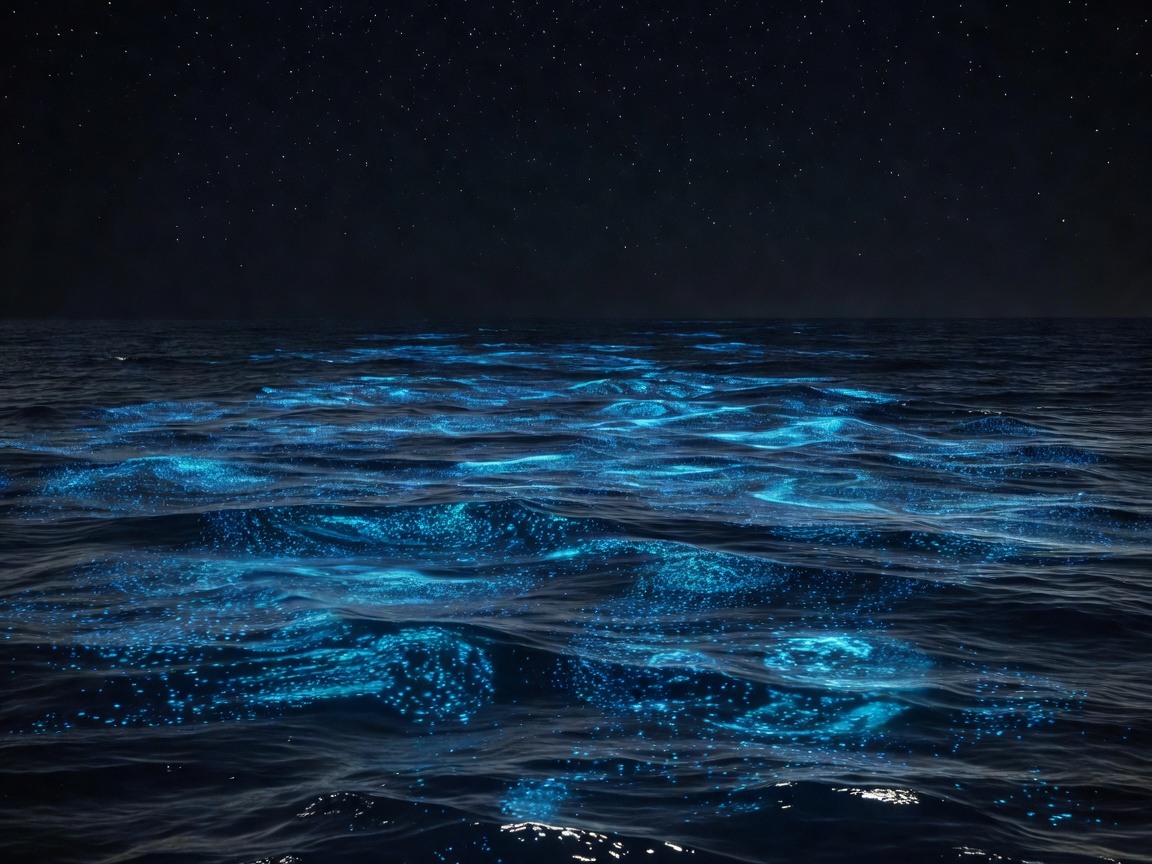
Analyzing massive glowing ocean surface displays spanning over 100,000 square kilometers, triggered by quorum-sensing Vibrio harveyi bacterial swarms on algal blooms.
 Hadal Ecology
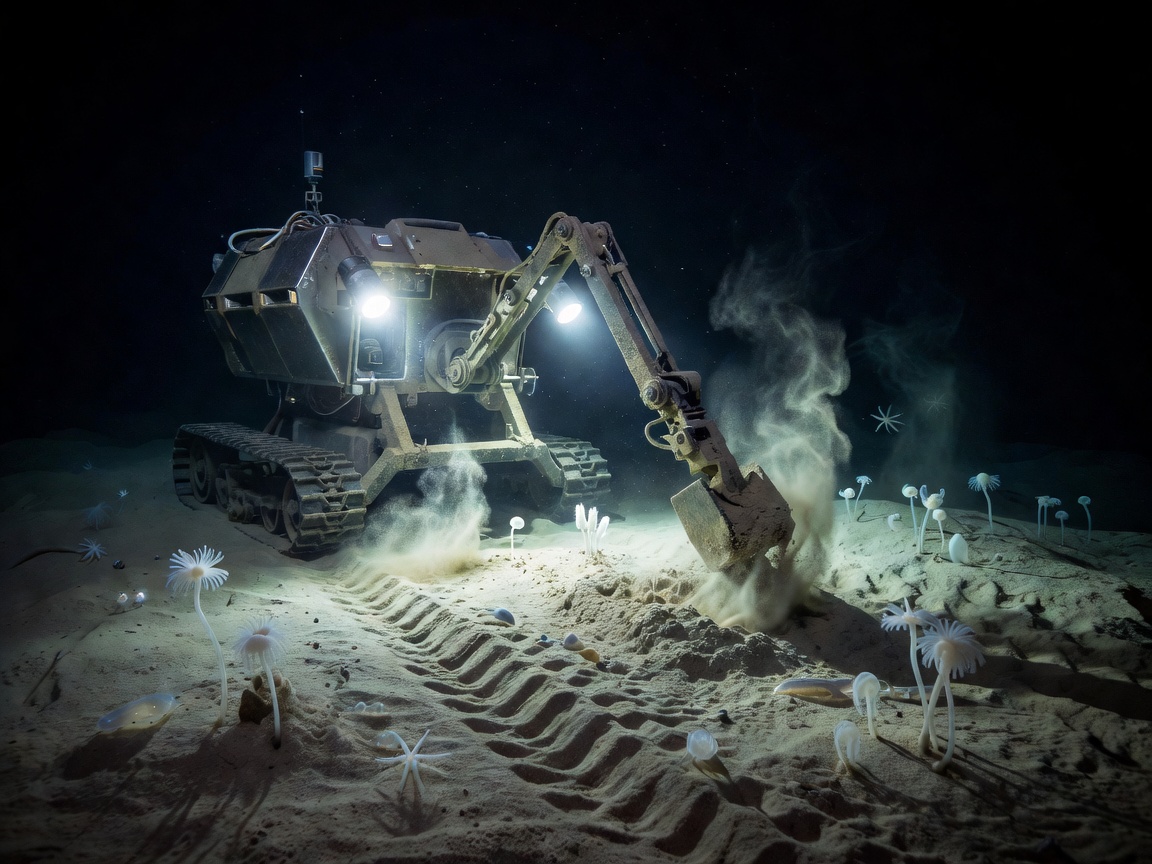
ROV transects at 10,900 meters reveal specialized Hadal ecosystems, including super-giant amphipods and single-celled xenophyophores feeding on organic marine snow.
 Biogeochemistry
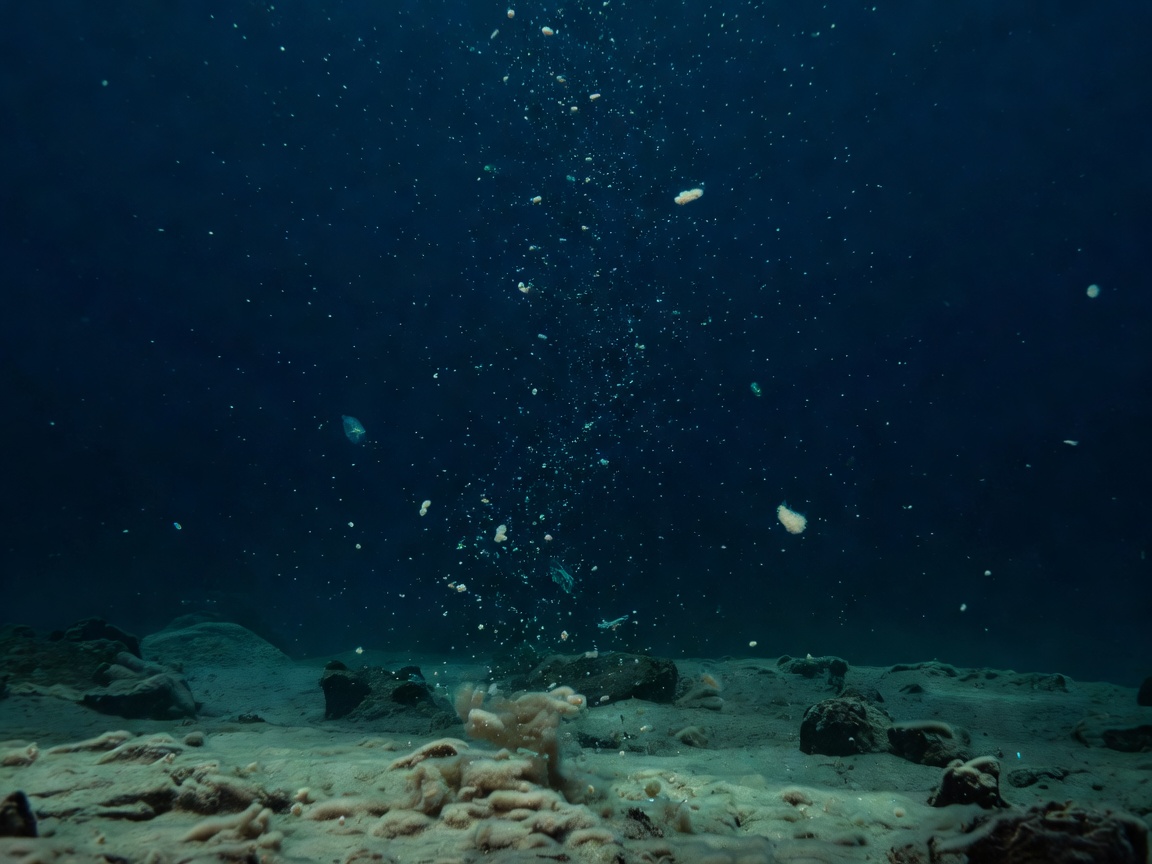
Quantifying the vertical transport of fixed organic carbon from surface phytoplankton to abyssal sediments via marine snow, fecal pellets, and thermohaline circulation.